Briefly:
- The first couples therapy session typically focuses on intake questions, relationship history, and identifying shared goals rather than resolving conflict right away.
- Sessions are usually structured around communication patterns, with a licensed therapist guiding both partners through active listening and conflict de-escalation techniques.
- Progress depends on consistency, with many approaches recommending weekly or biweekly sessions over several months.
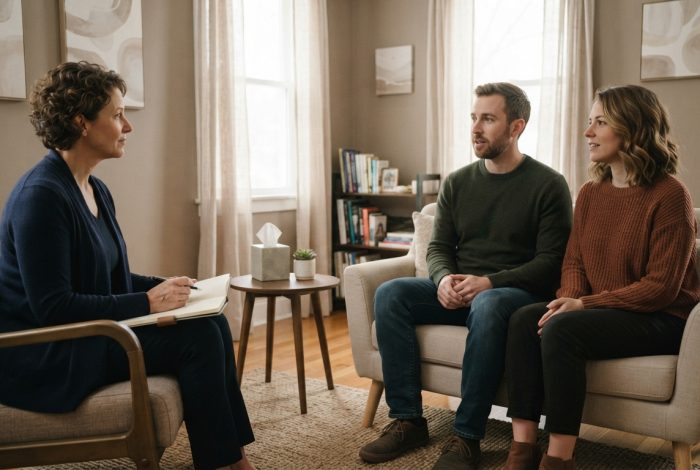
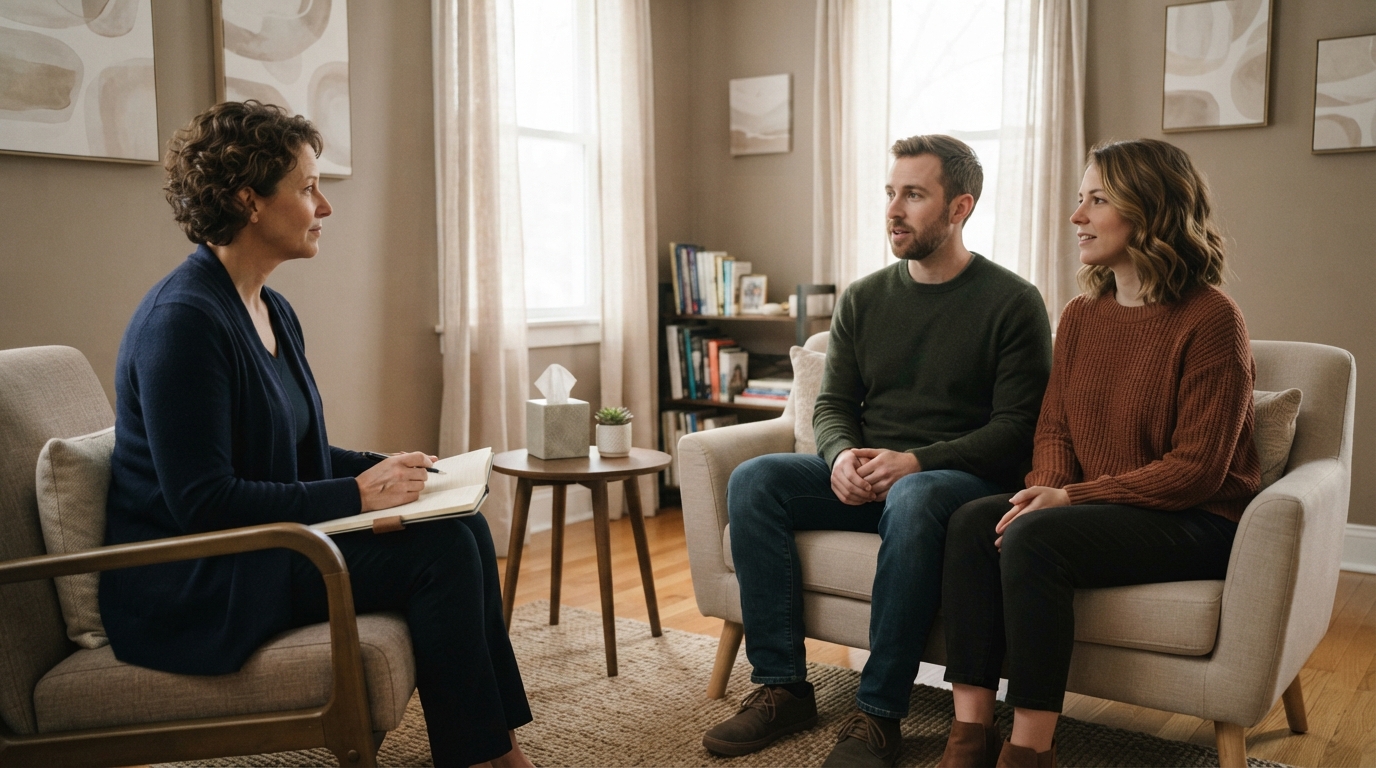
Couples who begin therapy together can expect an initial assessment phase, followed by goal-setting and structured sessions focused on communication skills and conflict patterns rather than quick fixes. The process is collaborative, with both partners sharing responsibility for outcomes alongside a licensed therapist.
Couples therapy works best when both partners arrive with a willingness to examine their own role in recurring conflicts, not just their partner’s. The first few sessions typically establish ground rules, such as speaking one at a time and avoiding blame-focused language, so that both people feel heard before deeper issues surface.
The First Session: Assessment and Goal Setting
Most therapists begin with an intake session that gathers background on the relationship, individual histories, and the specific concerns that led the couple to seek help.
- Questions about how the couple met, key milestones, and current stressors
- A discussion of what each partner hopes to achieve through therapy
- An outline of session frequency, format, and any homework or exercises between visits
This stage sets a baseline the therapist can reference later to track whether communication patterns are shifting over time.
What Happens During Regular Sessions
Once the assessment phase ends, sessions usually shift toward structured conversation exercises. A therapist might guide partners through a specific disagreement using techniques designed to slow down reactive responses and encourage reflective listening.
Common session elements include:
- Check-ins on how the relationship has felt since the last meeting
- Guided discussion of a current conflict or recurring pattern
- Skill-building around communication, such as reframing criticism into specific requests
- Brief homework assignments, like practicing a listening exercise at home
Research published by the American Psychological Association notes that couples counseling approaches grounded in structured communication and emotional awareness are associated with improved relationship satisfaction when both partners stay engaged in the process.
How Long Couples Therapy Usually Takes
There is no fixed timeline, since pacing depends on the complexity of the issues and how consistently a couple attends sessions. Some couples notice shifts in communication within a few weeks, while others work through deeper patterns over several months.
| Approach | Typical Session Length | General Focus |
| Weekly sessions | 45-60 minutes | Steady skill-building and consistent check-ins |
| Biweekly sessions | 45-60 minutes | Slower pacing for less urgent concerns |
| Intensive or short-term formats | Varies by provider | Focused work on a specific conflict or transition |
Couples in Altamonte Springs, FL evaluating options can expect similar structures across most licensed providers, though exact formats vary by therapist and the presenting concerns.
Preparing for a Productive First Visit
Arriving with realistic expectations helps reduce first-session anxiety. A few practical steps can make early sessions more productive:
- Write down specific examples of recurring conflicts rather than general complaints
- Agree beforehand that both partners will avoid interrupting during sessions
- Expect the therapist to ask about individual backgrounds, not just the relationship itself
- Understand that initial sessions rarely resolve long-standing issues immediately
Based in USA, Togetherness Counseling serves individuals and couples across Altamonte Springs, FL who are exploring structured approaches to relationship communication.
Frequently Asked Questions
Does one partner need to want therapy more than the other for it to work? Both partners benefit from at least some willingness to participate, since therapy outcomes depend heavily on mutual engagement rather than one person doing most of the work.
What if we cannot agree on what the main problem is? This is common, and early sessions often focus on helping each partner articulate their perspective so the therapist can identify shared underlying patterns.
Is couples therapy only for relationships in crisis? No. Many couples attend to strengthen communication proactively, not only during conflict or before a major life transition.
How soon might changes become noticeable? Timelines vary, but many couples report noticing small shifts in how they discuss disagreements within the first several sessions, depending on consistency and engagement.
Business Info
Couples exploring therapy options can review provider details through the Google Business Profile listing for the Altamonte Springs, FL service area.
Next Steps
Current listing information for Togetherness Counseling is published for individuals reviewing couples therapy options in the area.