
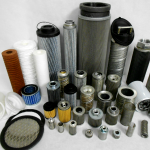


In today’s competitive industrial landscape, efficiency is paramount for American manufacturers and production facilities. Every aspect of a facility’s operation—from raw material handling to final product assembly—relies on optimized systems to maintain productivity and reduce costs. One area that often goes underappreciated but is vital to operational efficiency is the quality of filtration systems. For those seeking proven ways to enhance equipment performance and reliability, searching for Taisei Kogyo Filter solutions is a smart starting point.
The Essential Role of Industrial Filtration
Industrial filtration systems are the silent workhorses behind many successful manufacturing processes. They remove contaminants from fluids, air, and gases, ensuring that machinery operates within optimal parameters. By maintaining clean hydraulic fluids, lubricants, and other process media, these filters help prevent premature equipment wear, unplanned downtime, and costly repairs. In industries ranging from automotive to food processing, the right filtration technology can mean the difference between steady production and frequent interruptions.
How Advanced Filter Solutions Drive Efficiency
Modern filter solutions are designed to meet the evolving needs of various industrial sectors. Here’s how advanced filtration can significantly improve operational efficiency:
- Extended Equipment Life: High-quality filters protect pumps, valves, and actuators from abrasive particles and contaminants, reducing the risk of breakdowns.
- Lower Maintenance Costs: By preventing dirt and debris from circulating through systems, filters decrease the frequency and complexity of maintenance tasks.
- Consistent Product Quality: Clean fluids and air help ensure that manufacturing processes remain stable, resulting in fewer defects and higher-quality output.
- Reduced Downtime: Reliable filtration minimizes unexpected equipment failures, keeping production lines running smoothly and scheduling predictable maintenance windows.
Key Considerations When Selecting Filter Solutions
Choosing the right filtration system for your facility involves understanding your specific operational demands. Considerations include:
1. Contaminant Types: Identify the primary contaminants that threaten your processes, such as particulate matter, water, or chemical impurities.
2. Flow Rates and Pressure Requirements: Ensure the filter can handle your system’s throughput without causing pressure drops or flow restrictions.
3. Compatibility: Select materials that are compatible with the fluids or gases in your operation to prevent filter degradation or process contamination.
4. Maintenance Accessibility: Opt for filtration solutions that are easy to inspect, service, and replace to minimize labor costs and downtime.
The Impact on Sustainability and Compliance
Efficient filtration systems do more than just improve productivity—they also support sustainability goals. By capturing contaminants before they can enter waste streams or the environment, these solutions help facilities comply with local and federal regulations. Cleaner operations mean less hazardous waste, reduced emissions, and a smaller environmental footprint. This not only benefits the planet but also enhances a company’s reputation and can lead to cost savings through waste reduction and energy efficiency.
Maximizing ROI with the Right Filtration Partner
To fully realize the benefits of advanced filtration, it’s important to work with suppliers who understand the unique challenges of American industries. Expert guidance ensures that your facility is equipped with filters tailored to your specific applications, maximizing both performance and return on investment. Regular filter maintenance and timely replacements further contribute to long-term savings and operational stability.
Industrial efficiency is a multifaceted goal, but filtration stands out as a foundational element that delivers tangible results. By investing in reliable filter solutions, American manufacturers can achieve higher productivity, lower costs, and greater sustainability—giving them a crucial edge in a demanding market.